West Nile virus detections are mounting across metro Atlanta, and Johns Creek residents face elevated risk after Fulton County confirmed infected mosquito traps this season.
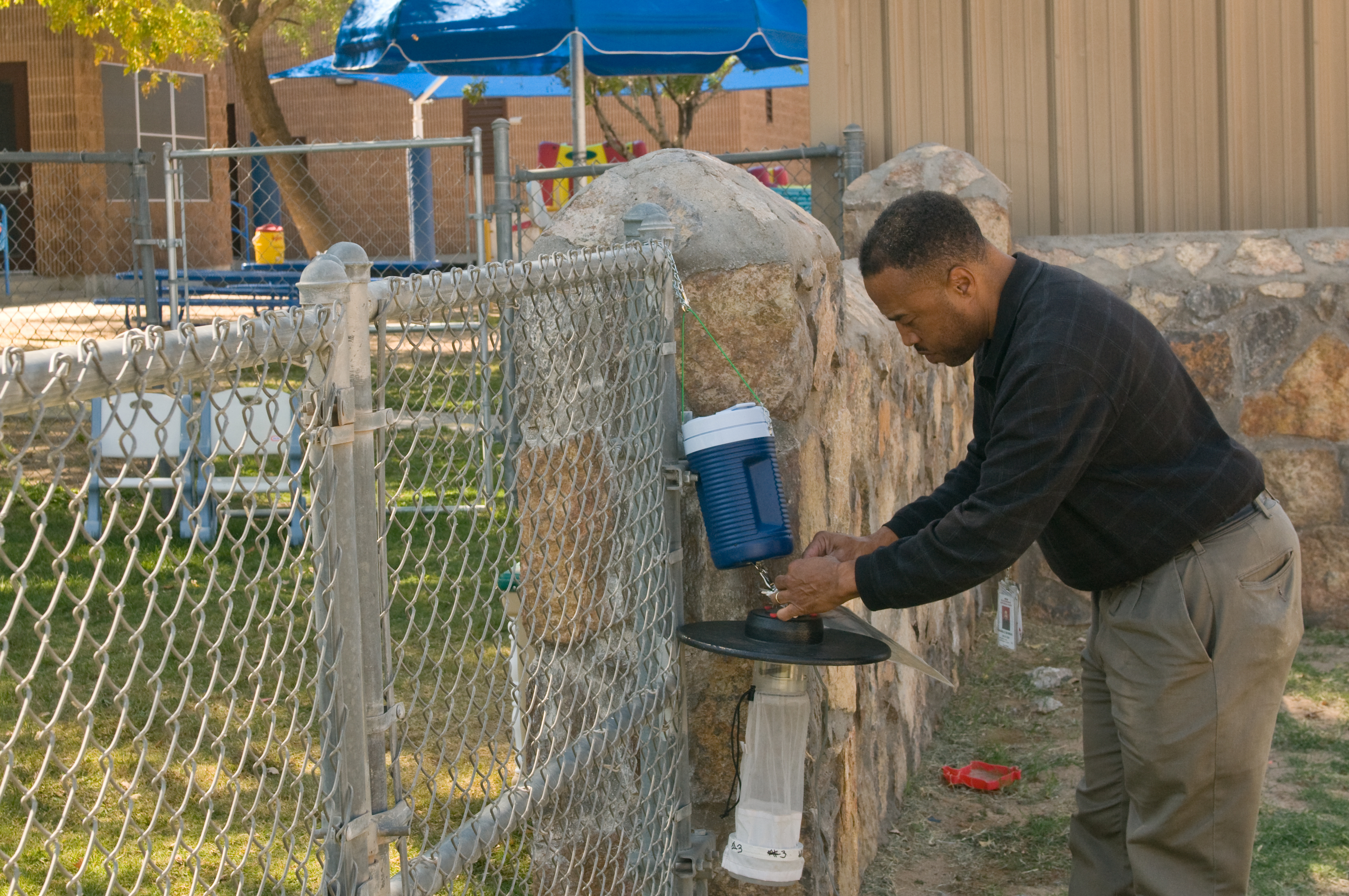
Four more traps tested positive for West Nile virus in DeKalb County, health officials announced Monday, Aug. 17. The positive traps were located in Avondale Estates, Clarkston and unincorporated areas near Stonecrest and Doraville, according to the DeKalb Public Health Department. It marks the second round of positive trap detections in DeKalb this summer.
Fulton County has also reported infected traps, according to Atlanta News First. The Fulton County Board of Health first detected West Nile in a trap in the Grant Park area of East Atlanta on July 8. South Fulton then closed Old National Park on Aug. 11 after surveillance mosquitoes tested positive there.
No human cases have been confirmed in Fulton or DeKalb counties in 2026. One case has been reported statewide, in Muscogee County in west-central Georgia, according to CDC data updated Aug. 11.
Johns Creek connection
Johns Creek sits in Fulton County, where the Board of Health's mosquito control program has confirmed virus activity. The agency works with a vendor to treat areas around positive traps and sends staff to surrounding neighborhoods to educate residents on prevention.
The risk is real. When the Board of Health announced its first positive trap in July, Dr. Brandon Leftwich, environmental health director at the Fulton County Board of Health, said: "We want to make sure communities are aware and take necessary precautions to protect themselves."
As we reported Aug. 1, the virus risk in Fulton County had already been climbing earlier this summer.
A fast-moving national season
The CDC reported 181 human West Nile cases across 30 states as of Aug. 11. By July 28, 113 cases had been reported nationally, more than double the 44 cases logged by the same point in 2003, the worst West Nile season since the virus arrived in the U.S., according to WABE.
Georgia recorded 54 confirmed cases and five deaths in 2024, and 18 cases in 2025.
Drought conditions are contributing to the elevated activity. About 19% of Georgia's total area is in drought as of early August, and dry conditions leave storm drains stagnant, creating prime breeding grounds for the southern house mosquito, according to University of Georgia public health extension specialist Elmer Gray.
What residents should do
The Fulton County Board of Health recommends its "5Ds" framework:
- Dusk/Dawn: Limit outdoor activity when mosquitoes are most active.
- Dress: Wear loose-fitting, long-sleeved clothing.
- DEET: Use repellent containing DEET, picaridin, oil of lemon eucalyptus or IR3535.
- Drain: Empty standing water from gutters, flower pots and containers weekly.
- Doors: Keep window and door screens in good repair.
No specific spraying schedule for Johns Creek-area neighborhoods has been announced by the Fulton County Board of Health.