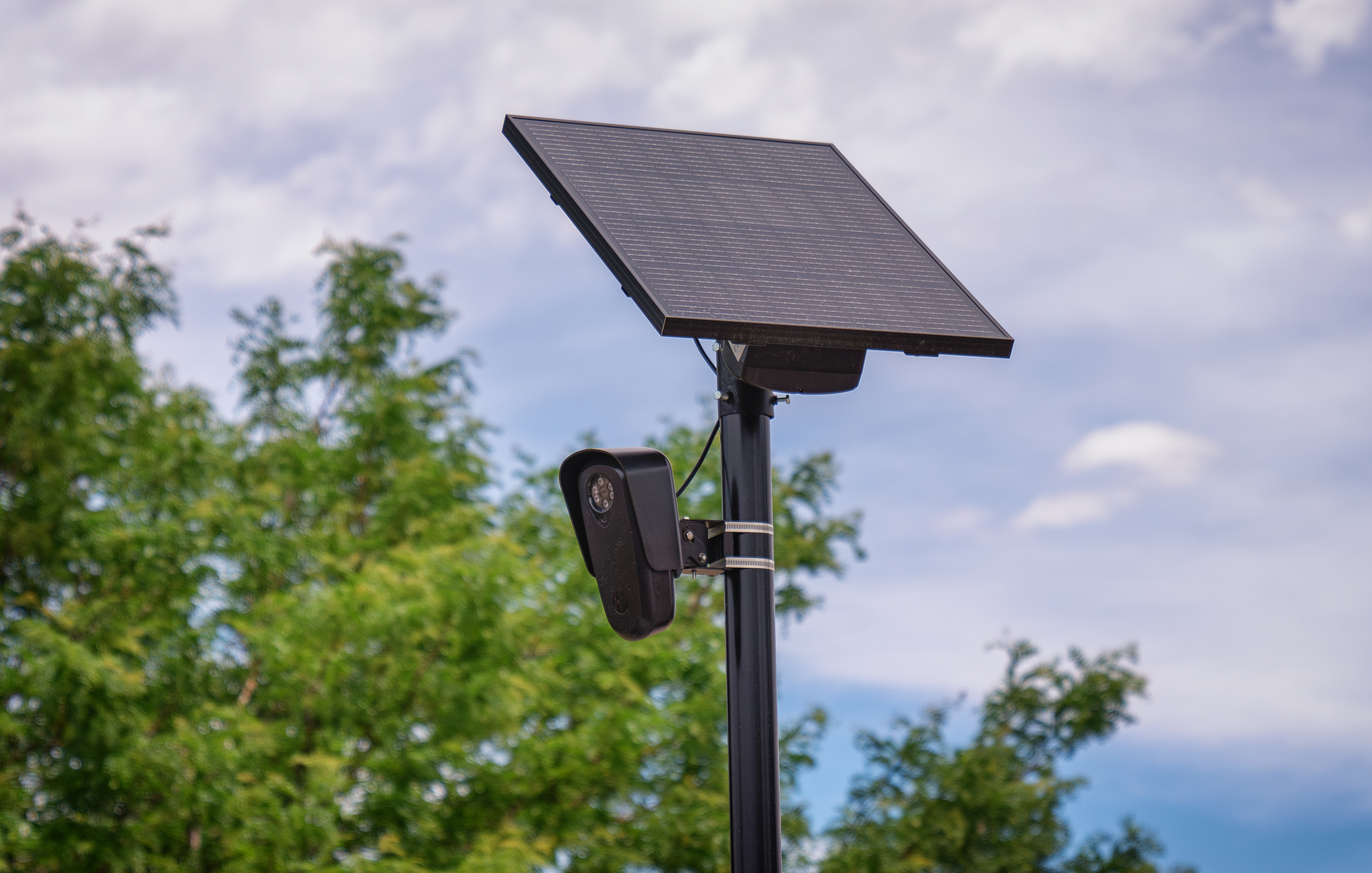
State Sen. John Albers, whose district neighbors Johns Creek, announced Tuesday, Aug. 25, that he is joining a law enforcement task force exploring whether Georgia needs new legislation to curb misuse of Flock license plate reader cameras.
Albers, R-Roswell, chairs the Senate Public Safety Committee, giving him direct influence over any bill that could emerge. The task force was formed by the Georgia Association of Sheriffs and the Georgia Association of Chiefs of Police.
"Like every citizen in our state, we're concerned about the abuses that have taken place," Albers said, according to Rough Draft Atlanta. He called the cameras "an invaluable crime-fighting tool" but said public trust is paramount.
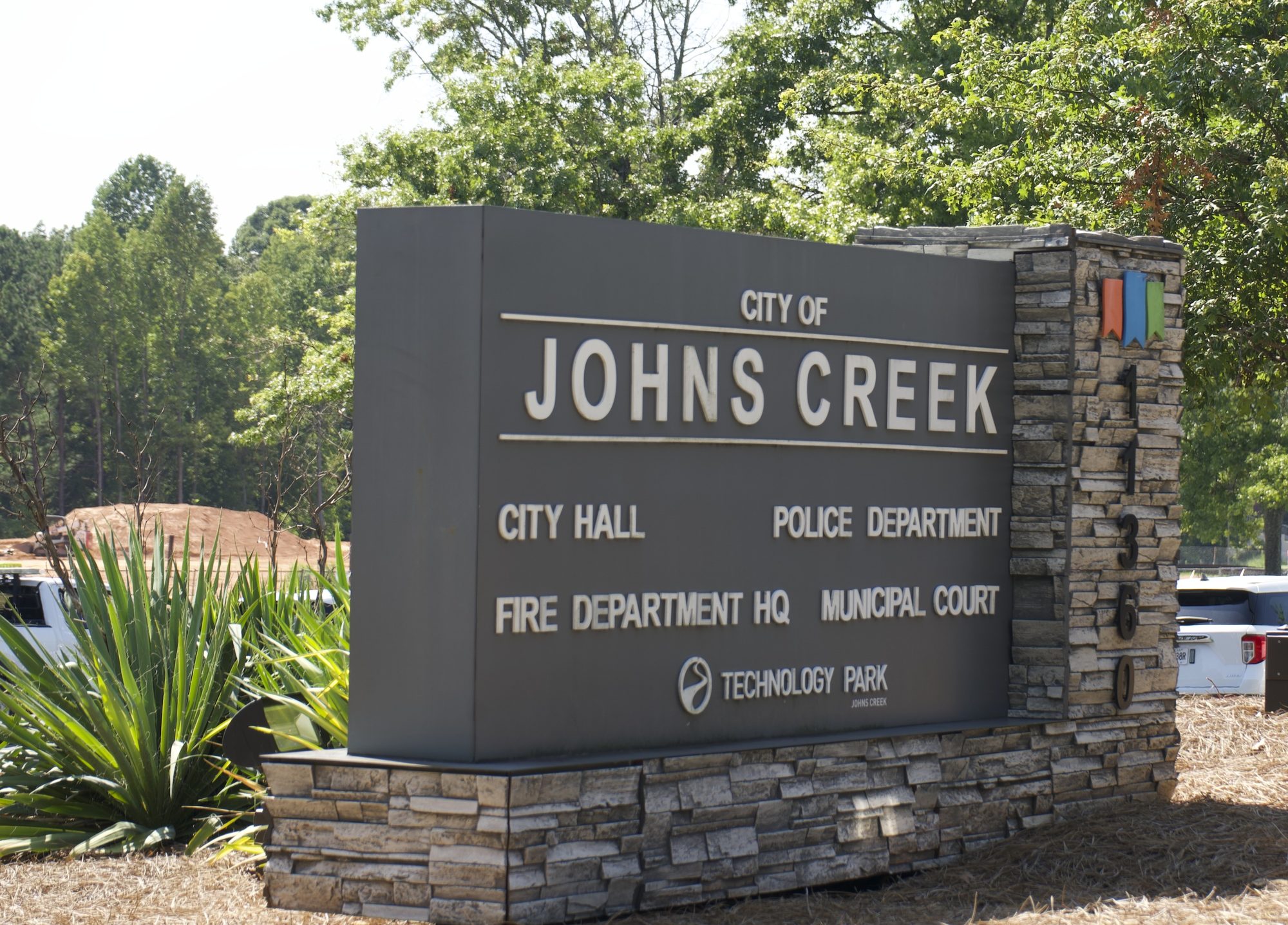
The announcement comes days after Johns Creek Police Chief Mitchell held a community conversation on Aug. 16 where Flock cameras were among the topics discussed. State Rep. Michelle Au, who represents House District 50, attended that event and noted on X that the conversation covered the role of Flock cameras in local law enforcement alongside school safety and mental health supports.
Savannah arrests prompted action
The task force follows a string of Georgia cases in which officers used the plate reader system for personal purposes. On Friday, Aug. 21, the Georgia Bureau of Investigation arrested four former Savannah Police Department employees on charges of misusing Flock data for non-law-enforcement purposes, WJCL reported. Three were former sworn officers and one was a civilian community service specialist.
Savannah's internal investigation began Monday, July 27, after a system review flagged searches that appeared unrelated to police work. The department fired six employees total.
Under existing Georgia law, knowingly accessing license plate reader data for a non-law-enforcement purpose is a misdemeanor of a high and aggravated nature.
Flock announces new restrictions
Atlanta-based Flock Safety, which operates more than 120,000 plate readers nationwide, announced new measures on its blog on Aug. 13. CEO Garrett Langley said the company is cutting its recommended default data retention from 30 days to seven days for new customers and requiring all law enforcement agencies to activate its misuse-detection feature by the end of 2026. Agencies will also need to enter case codes for every search, and cities will gain control over which offense types outside agencies can query.
Existing customers keep their current retention periods unless they opt to change.
What's next
Albers said other lawmakers were invited to join the task force but acknowledged he is unsure whether legislation will ultimately result. The Georgia General Assembly's next regular session begins in January 2027, which would be the earliest window for any bill to advance.