Johns Creek's three high schools face a tightening vise: fewer students walking through the doors, less state money following them, and a district scrambling to close a $57 million budget gap before reserves erode further.
New U.S. Census Bureau estimates published Sunday, Aug. 16, show Johns Creek lost population between 2020 and 2025, bucking Georgia's 5.5% statewide growth over the same period. The city is one of three in the North Atlanta corridor that shrank while the broader nine-city region added 11,184 residents, according to the North Atlanta Star. Alpharetta, Johns Creek, Milton and Roswell collectively fell from 282,380 residents to an estimated 280,093, a decline of about 0.8%.
That population slide is already showing up in classrooms. Fulton County Schools enrolled 85,475 students during the 2025-26 school year, down 1,579 from the prior year and well below a peak near 96,000 in recent years. The district opened the current 2026-27 school year with more than 83,000 students, according to its Aug. 11 back-to-school update.
Johns Creek schools feel the squeeze
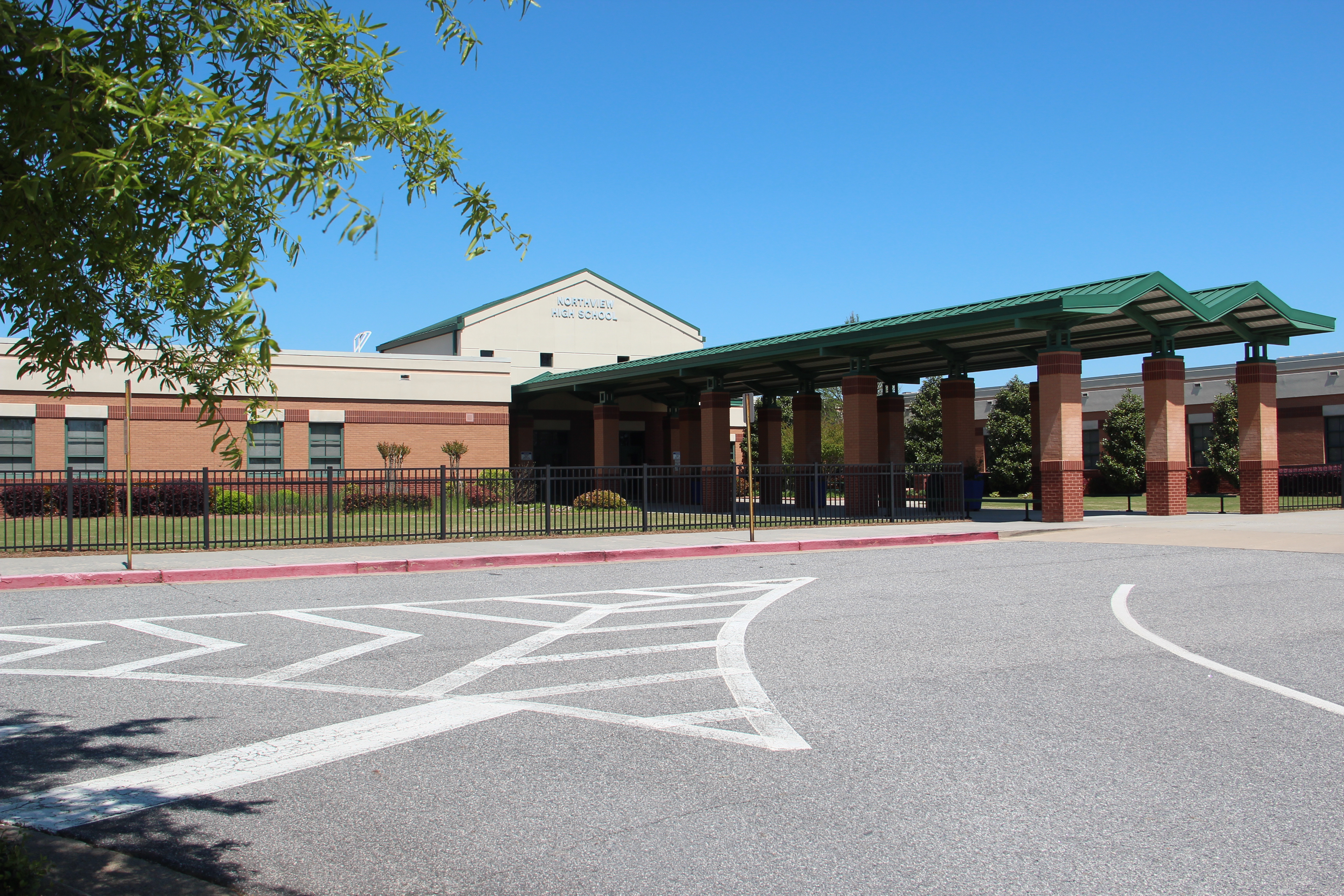
All three Johns Creek high schools are projected to shrink over the next five years, according to enrollment projections reported by the North Atlanta Star. Chattahoochee High School, which enrolled 1,721 students in 2025-26, is projected to fall to 1,439 by 2030-31. Johns Creek High School is expected to hold near 1,800 next year before declining to approximately 1,579 by 2030-31. Northview High School enrolled about 1,600 students in 2025-26 against a capacity of 1,900 and is projected to drop to 1,552 next year.
The trend is accelerating.
Northview principal Martin Neuhaus attributed the decline to Johns Creek's housing market: longtime residents whose children have graduated are staying in their homes, limiting turnover and the entry of new families with school-age children. In a February interview with the Northview Messenger, the school's student newspaper, Neuhaus connected the enrollment drop directly to the district's budget strain, citing a "$60-80 million a year shortfall because of a change in the county's tax digest" combined with declining enrollment.
The median owner-occupied home in Johns Creek is valued at approximately $629,400, according to Census five-year estimates. FCS enrollment planners have identified rising home prices, borrowing costs and fewer home sales as contributors to the northern region's decline. The district estimates roughly 4,500 additional housing units could be built in North Fulton over a decade, but new townhomes and mixed-use residences may attract professionals and empty nesters rather than families with school-age children.
Millage vote looms Thursday
The enrollment decline feeds directly into funding. Georgia's Quality Basic Education formula sends state dollars on a per-pupil basis; fewer students means less money. More than 60% of FCS's budget depends on local tax revenue, and voter-approved homestead exemptions for older residents in November 2025 are projected to cut an additional $50 million annually from school coffers.
Superintendent Mike Looney proposed a one-mill increase at the board's Aug. 11 work session, which would raise the rate from 17.08 to 18.08 mills. It would be the first increase in seven years. "If something changes in the interim … then I will gladly work with staff to reduce that increase to something less," Looney said at the work session.
The Fulton County Board of Education is scheduled to vote on the tentative rate Thursday, Aug. 20. If approved, three public hearings will follow before a final vote, which must come by Sept. 1. For a homeowner with a $450,000 house assessed at $180,000 under Georgia's 40% ratio, the one-mill increase would add about $180 in annual school taxes before exemptions.
To offset declining enrollment at Northview, FCS launched "Find Your Future at Fulton" for the 2026-27 school year, allowing out-of-district students to attend for $11,000 per year. Northview was selected partly because of its proximity to the Gwinnett and Forsyth county lines.
The board's Aug. 20 vote is the next decision point families should watch.