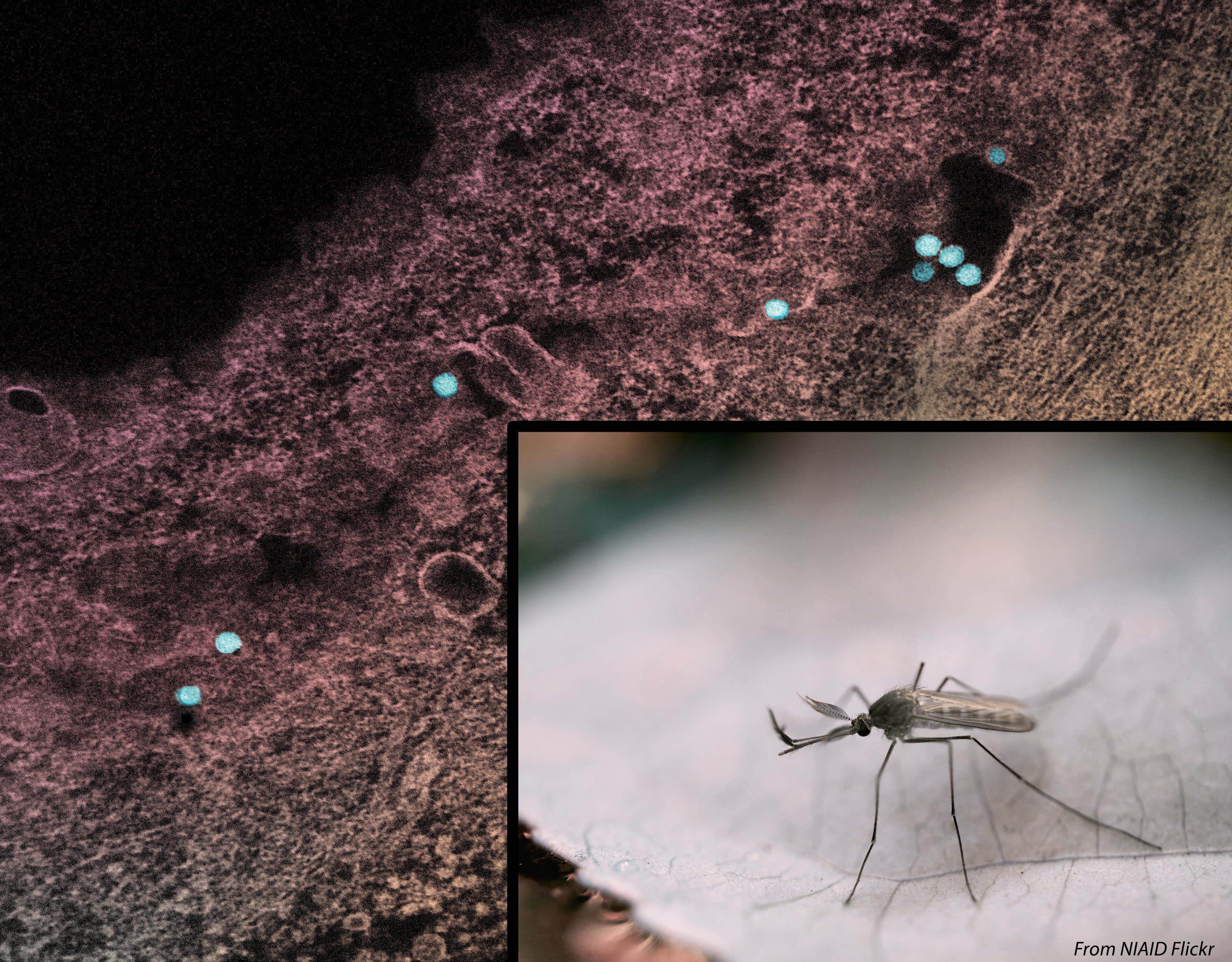
One person has died from West Nile virus in Georgia in 2026, the Georgia Department of Public Health confirmed Sept. 16.
The agency has also confirmed eight human cases statewide and said it expects that number to rise. Mosquito traps have tested positive for the virus in multiple counties, including at least three in Fulton County, where Johns Creek sits, 11Alive reported. Six traps in DeKalb County also tested positive.
State officials have not released details about the death, including when or where it occurred, CBS Atlanta reported.
Fulton County traps
Positive mosquito traps have been turning up across Fulton County since early summer. The Fulton County Board of Health confirmed the season's first positive trap in the Grant Park area of East Atlanta on July 8.
A trap at Chastain Park tested positive around Sept. 9, according to the Chastain Park Conservancy. Fulton County Commissioner Dana Barrett said the same trap had also tested positive in July. A quarter-mile radius around the trap was treated after the September result.
Closer to Johns Creek, mosquito traps at Roswell Area Park and Garrard Landing Park tested positive for West Nile, the city of Roswell reported Sept. 1. A county contractor sprayed the affected areas that week.
When the first Fulton County trap tested positive, Dr. Brandon Leftwich, Environmental Health Director at the Fulton County Board of Health, warned in the board's July 8 announcement that infected mosquitoes "may pose a serious health risk to people in our area."
Severe cases
The virus has hospitalized multiple metro Atlanta residents. Meredith Giannoni told 11Alive on Sept. 16 that her 62-year-old mother had been in the hospital for two weeks after contracting West Nile. Four days after admission, her mother was intubated and moved to the ICU.
"We are trying to keep her alive right now and to keep her stable enough for her body to fight this off because there's no cure," Giannoni said.
A DPH spokesperson told 11Alive that most Georgia counties do not run comprehensive public mosquito control programs because of funding constraints. Decisions are largely left to individual municipalities.
Who is at risk
Most people infected with West Nile do not develop symptoms, according to the DPH. Others may experience mild flu-like symptoms, including fever, headache, body aches and rash, typically two to six days after a bite.
The elderly, people with compromised immune systems and those with underlying medical conditions face greater risk of severe complications, including infection of the central nervous system.
How to protect yourself
The DPH recommends residents use EPA-registered insect repellents containing DEET (20%–30%), Picaridin, IR3535 or Oil of Lemon Eucalyptus. The agency advises wearing light-colored, loose-fitting long sleeves, pants and socks.
Mosquitoes bite day and night, so repellent should be used any time residents are outside, the DPH said.
Residents should drain standing water from flowerpots, planters, children's toys, wading pools and buckets after every rainfall, or at least once a week, to eliminate breeding sites. Mosquito season in Georgia typically lasts through October.
Anyone with questions about West Nile illness should contact a healthcare provider or call the Fulton County Board of Health.