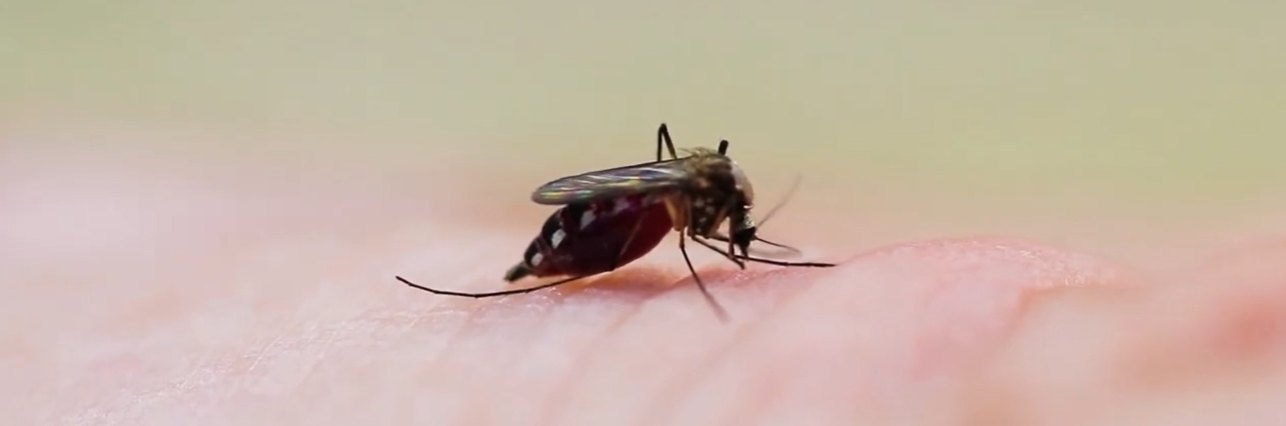
Mosquitoes trapped in Fulton County have tested positive for West Nile virus, and a county health official is urging Johns Creek residents to take precautions as the region faces what public health experts say is the worst early-season outbreak since 2004.
Chris Kumnick, Fulton County Environmental Health deputy director, discussed the threat in an interview with Fulton County Government Television published July 23. Kumnick outlined the dangers of West Nile virus and the steps residents can take to reduce their exposure during peak mosquito season.
The warning follows the Fulton County Board of Health's confirmation that the county's first positive West Nile samples of 2026 were found in a mosquito trap in Grant Park, Atlanta. After that detection, health workers went door to door in the Grant Park neighborhood to alert residents. West Nile was subsequently confirmed in neighboring DeKalb County in mid-July, according to Atlanta News First.
National numbers underscore local concern
The local advisory lands amid a national surge. Through the end of June, the CDC reported 48 human West Nile cases across the country, nearly five times the typical average of 10 cases by that point in the year. It is the highest early-season count since 2004. Of those 48 cases, 38 involved neuroinvasive disease, in which the virus penetrates the brain.
"We're pretty worried about what's going to happen," Dr. Lyle Petersen, director of the CDC's Division of Vector-Borne Diseases, told CNN on July 2. "The last time the season started off this early, in 2004, the year ended with more than 2,500 cases and 100 deaths."
West Nile activity has been reported in 23 states so far in 2026, the highest number this early in a decade, according to the CDC.
What residents should do
There is no vaccine or specific treatment for West Nile virus. Most infected people show no symptoms. About 1 in 5 develop fever, headache, body aches, or rash. Fewer than 1% develop serious neurological illness. People over 60 and those with conditions such as diabetes, cancer, hypertension, or kidney disease face the greatest risk.
The Fulton County Board of Health recommends residents:
- Dump standing water from flowerpots, gutters, buckets, pool covers, and birdbaths
- Use EPA-registered insect repellent containing DEET, picaridin, IR3535, or oil of lemon eucalyptus
- Avoid outdoor activity at dusk and dawn, when mosquitoes are most active
- Wear long sleeves and pants when outdoors
Residents with questions can contact the Fulton County Board of Health at (770) 520-7500.