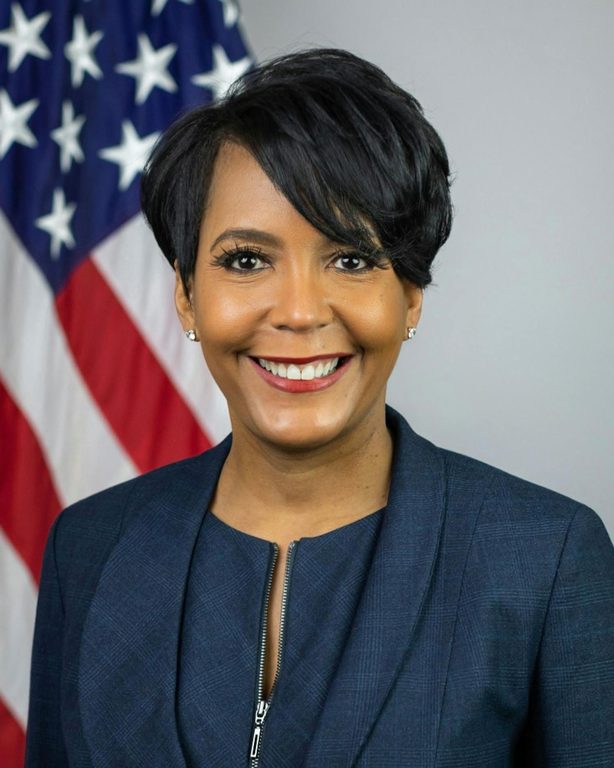
Keisha Lance Bottoms, the Democratic nominee for Georgia governor, faces Republican Rick Jackson in the Nov. 3, 2026, general election.
Bottoms served as Atlanta mayor from 2018 to 2022 and later directed the White House Office of Public Engagement during the Biden administration. She previously served on Atlanta’s City Council and as a judge, according to her campaign biography.
Medicaid and healthcare
Bottoms’s campaign platform proposes expanding Medicaid and replacing Georgia Pathways. The campaign estimates that expansion would cover 300,000 additional Georgians; that is a projection, rather than a guaranteed enrollment result.
She also proposes rural emergency, mobile and telehealth services, a prescription-drug savings board and investment in maternal and mental healthcare.
Medicaid expansion would require state funding, legislative cooperation and compliance with federal requirements. The materials reviewed do not provide a complete state cost estimate or implementation timetable.
Housing
Bottoms proposes faster permitting, an affordable-housing trust fund, expanded down-payment and renter assistance and restrictions on corporate purchases of homes.
Local effects would depend on program eligibility, appropriations, project locations and the division of authority between state and local government. These proposals do not establish a guaranteed benefit for an individual household.
Schools, teacher taxes and childcare
Bottoms supports revising Georgia’s education funding formula, eliminating state income tax for teachers, creating a path to free technical and community college and expanding childcare access.
Those measures would require decisions about eligibility, administration and revenue. Tax exemptions and new spending programs require legislative action; the governor cannot implement the entire package alone.
Small businesses and public safety
Bottoms proposes an Office of Small Business, additional loans and grants, and a stronger state focus on smaller employers. She also supports expanded investigative and forensic resources, violence-reduction programs, universal background checks and a red flag law.
Business assistance would depend on funding and application rules. Changes to firearm law would require legislation and would remain subject to constitutional limits.
Endorsement and the governor’s role
Georgia Conservation Voters lists Bottoms among its 2026 endorsed candidates.
A Georgia governor proposes budgets, signs or vetoes legislation and directs executive agencies within existing law. The General Assembly controls appropriations and must approve statutory changes. For local voters, the practical effects of Bottoms’s agenda would depend on that process and on federal requirements governing shared programs.
Source note: This profile draws on Bottoms’s public campaign materials and the endorsing organization’s website. Policy promises and enrollment estimates are attributed to the campaign.
The Johns Creek Bulletin did not receive a direct questionnaire response from the candidate and does not endorse candidates.